Vernacular Modernism
My design approach is best captured by the term vernacular modernism. I begin all projects with three primary inputs: the goals of the client, the site context and its formative ecological systems, and the cultural and architectural heritage unique to the project’s location. These inputs are then tempered through the lens of a modern aesthetic: What does it mean to build today? How do we innovate? How do we build as responsibly and sustainably as possible?
The result is vernacular modernism: projects that reflect both their place and time.
Parallel to this, I often remind myself of the Roman architect Vitruvius’ three principles of great architecture: Firmness (Firmitas): Structural strength and durability; Commodity (Utilitas): Spatial functionality and usefulness; and Delight (Venustas): Aesthetic harmony, proportion, and visual beauty.
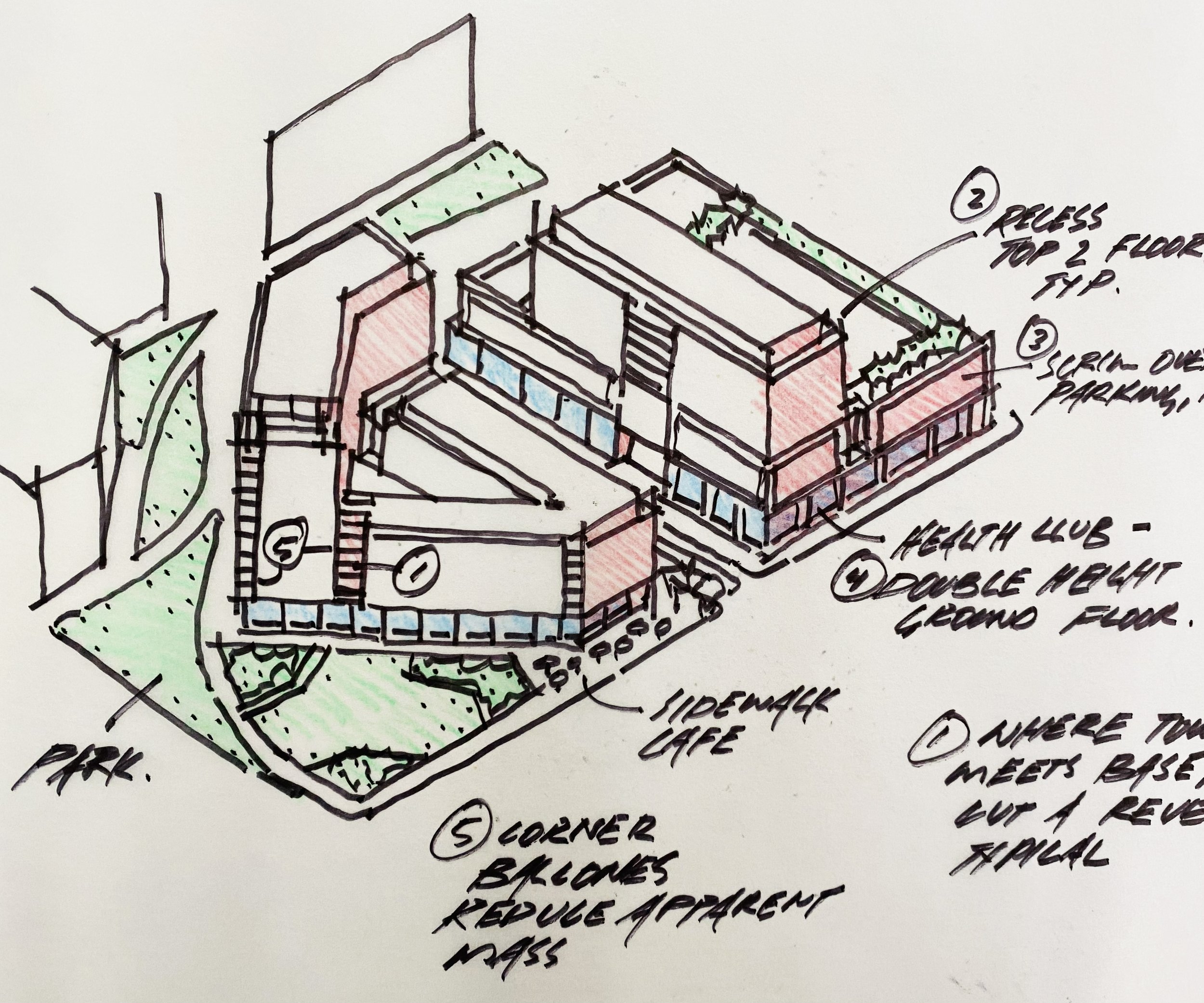
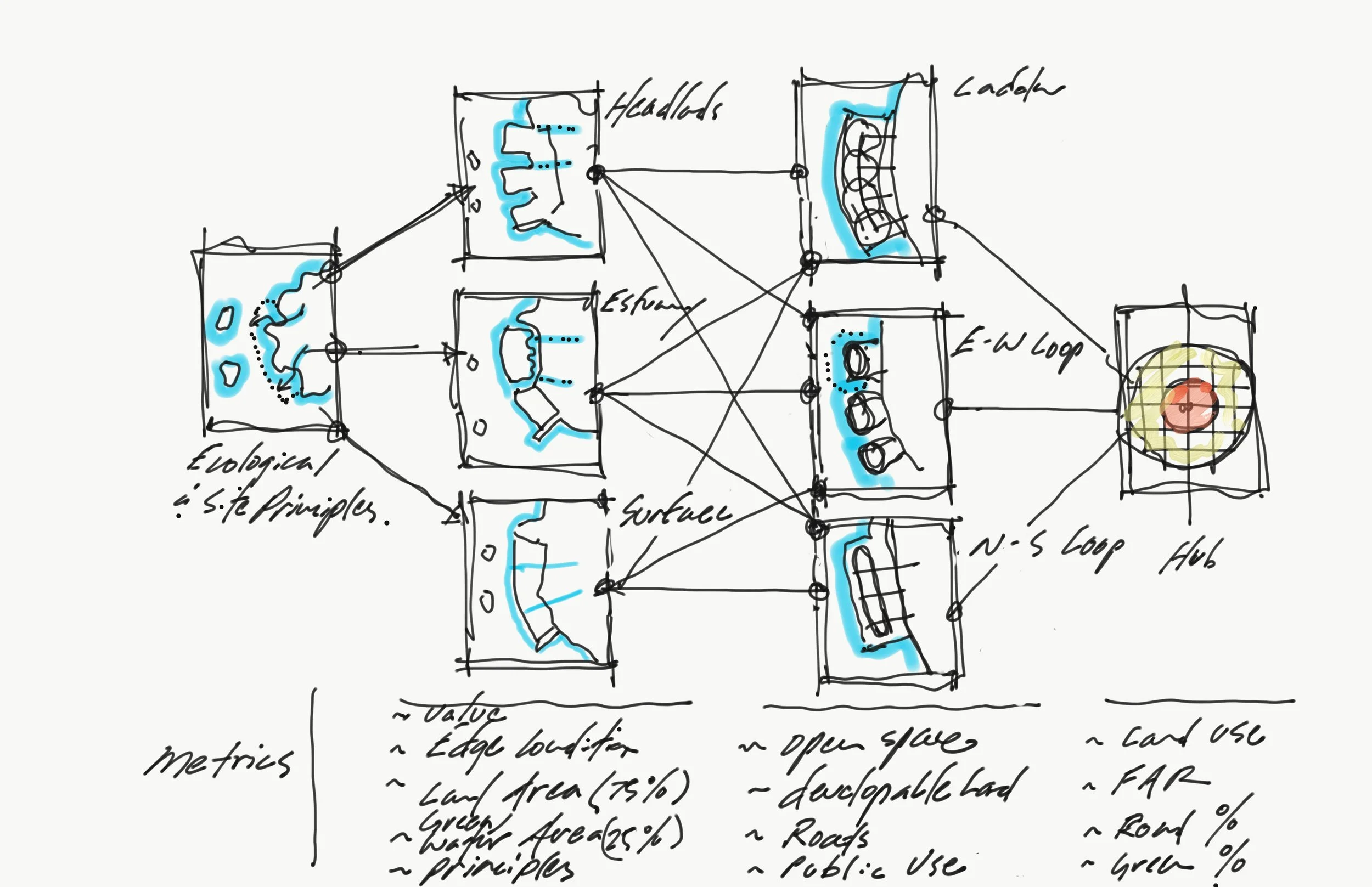
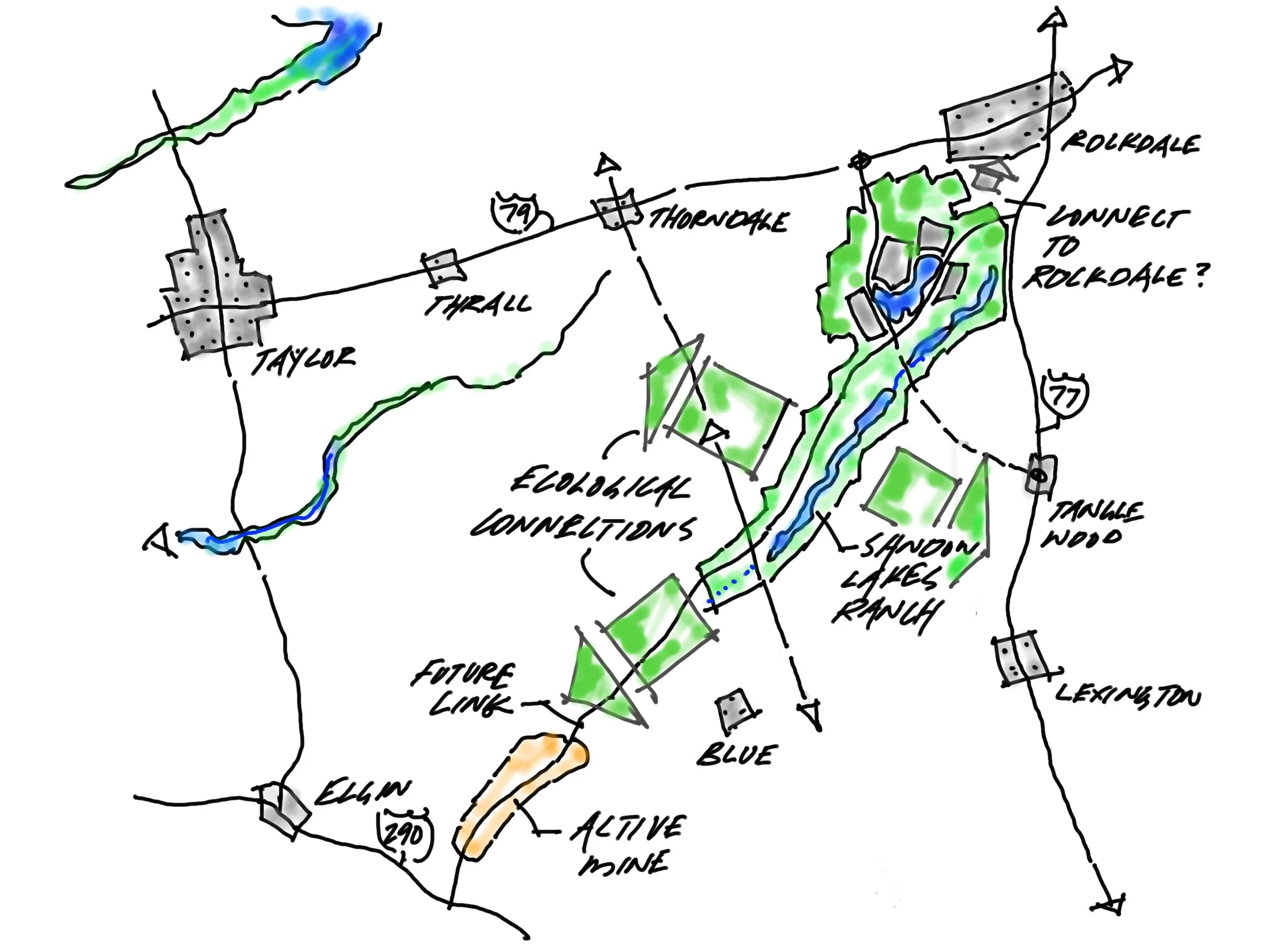
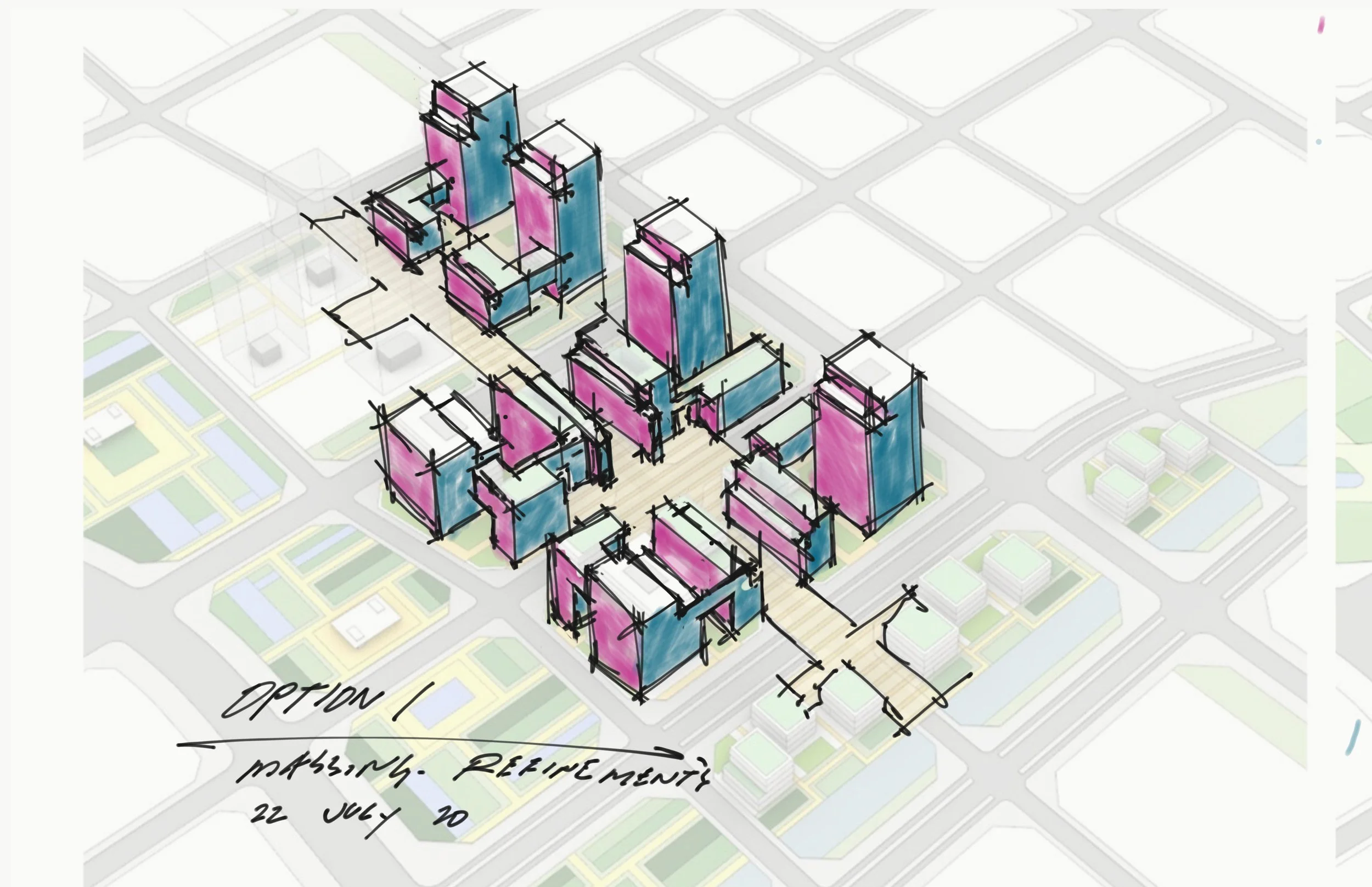
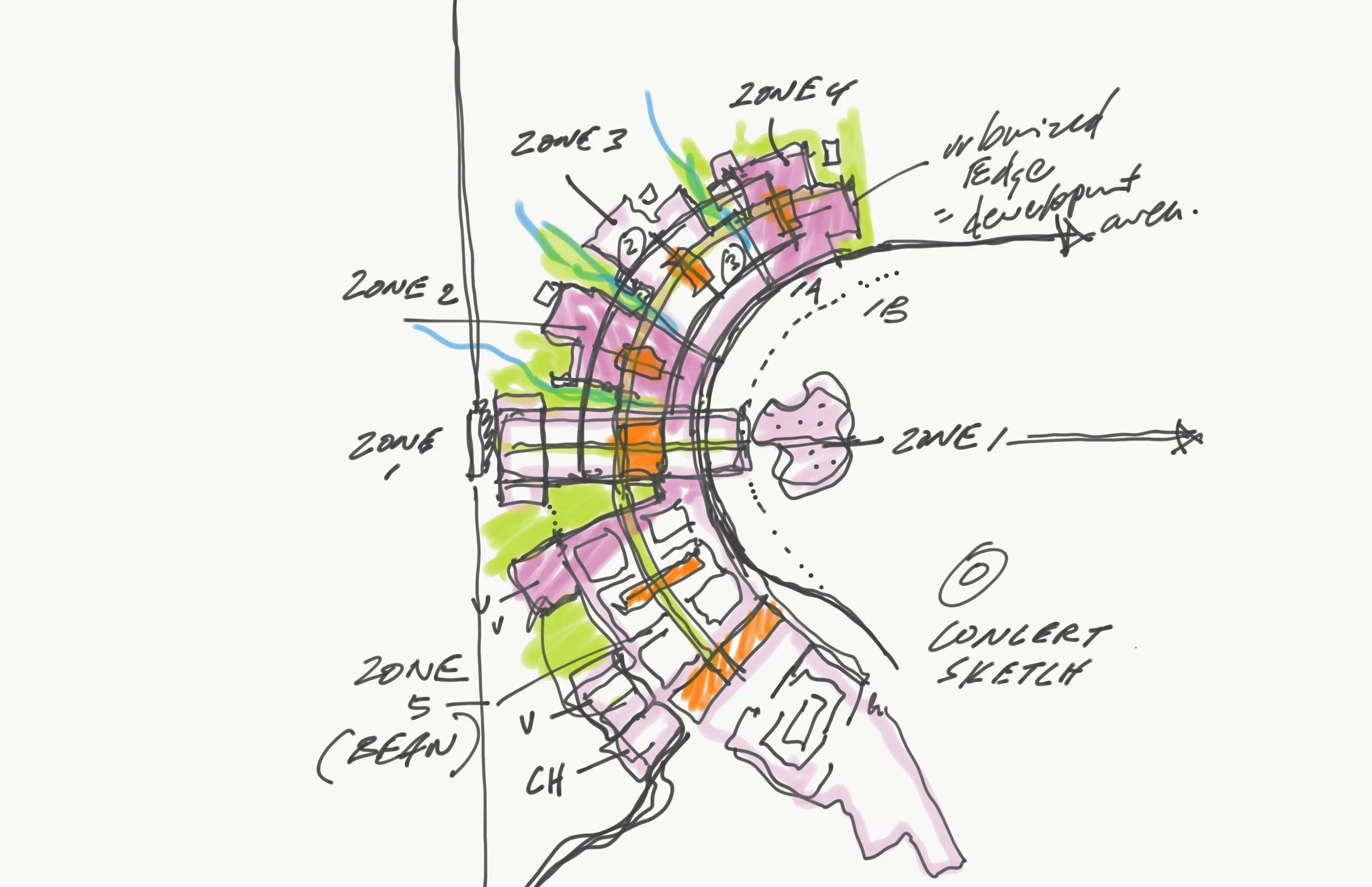
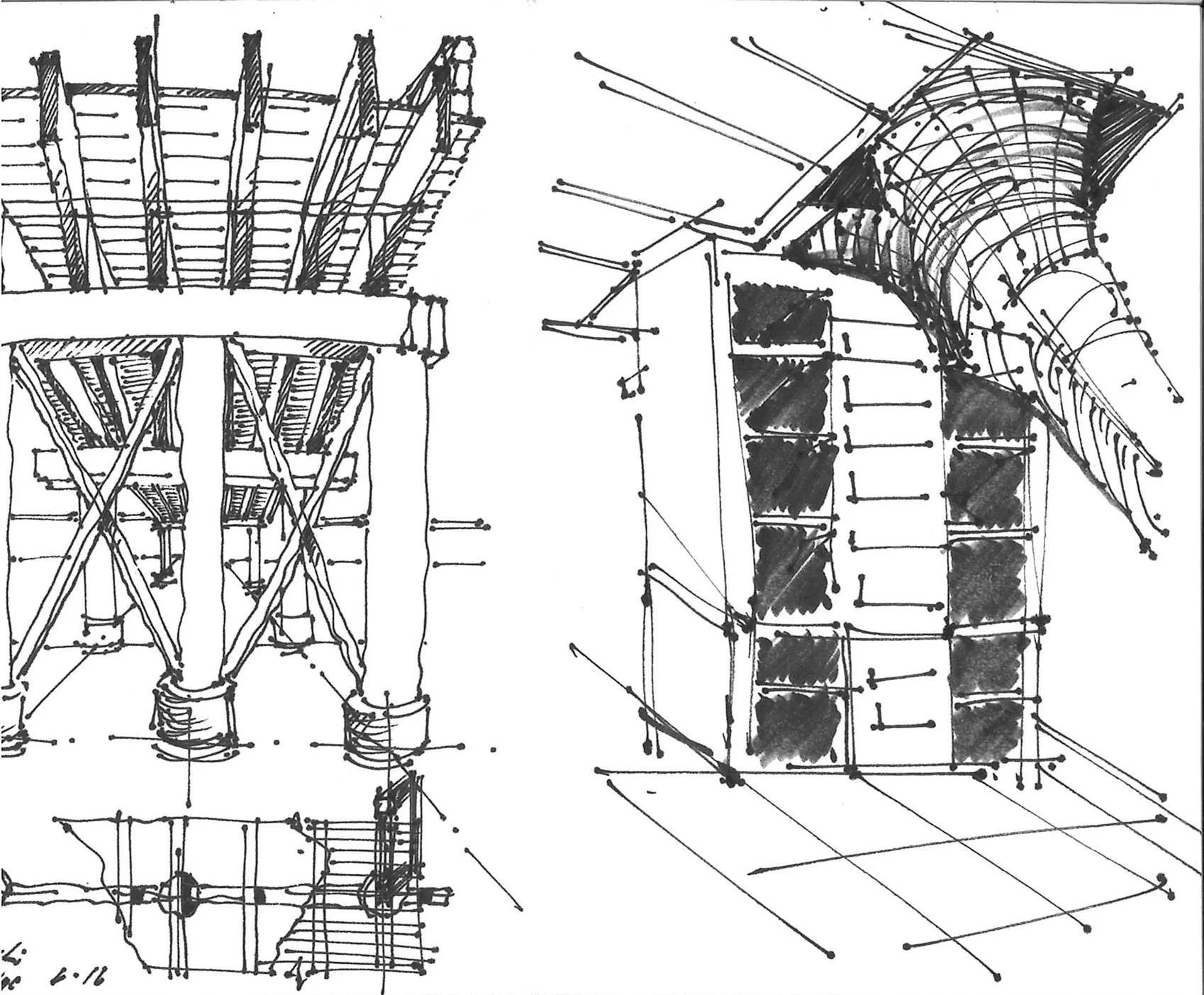
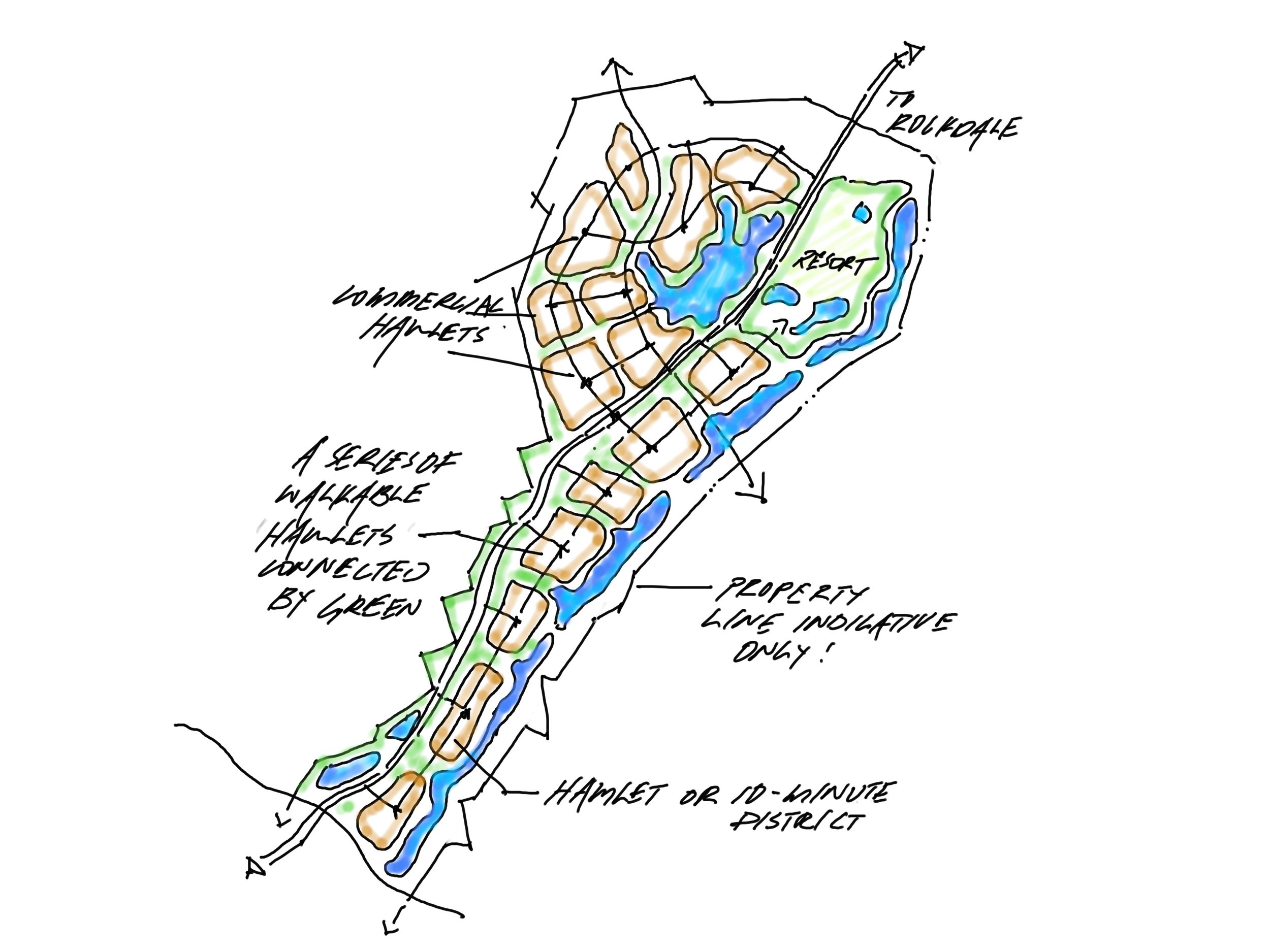
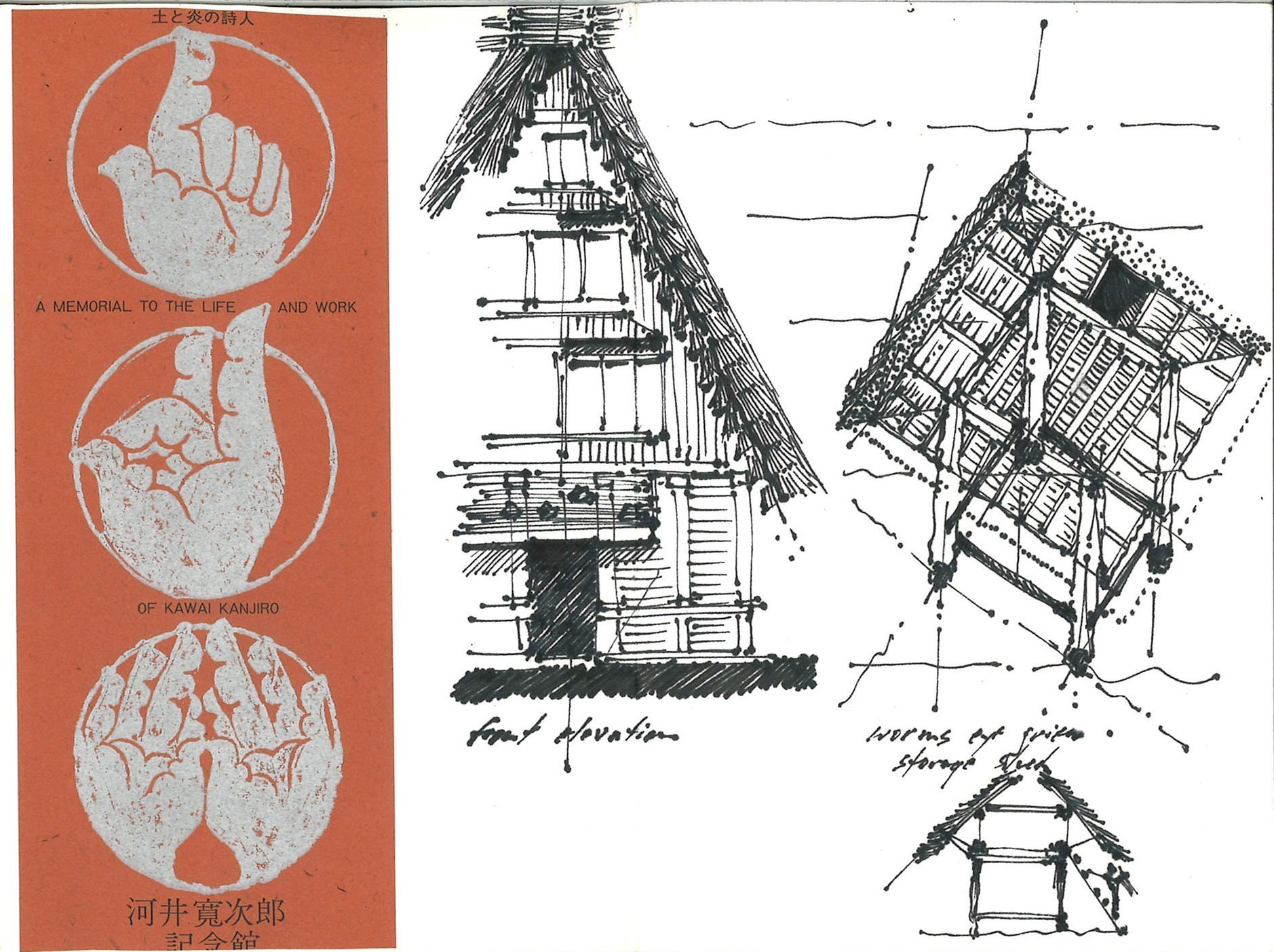
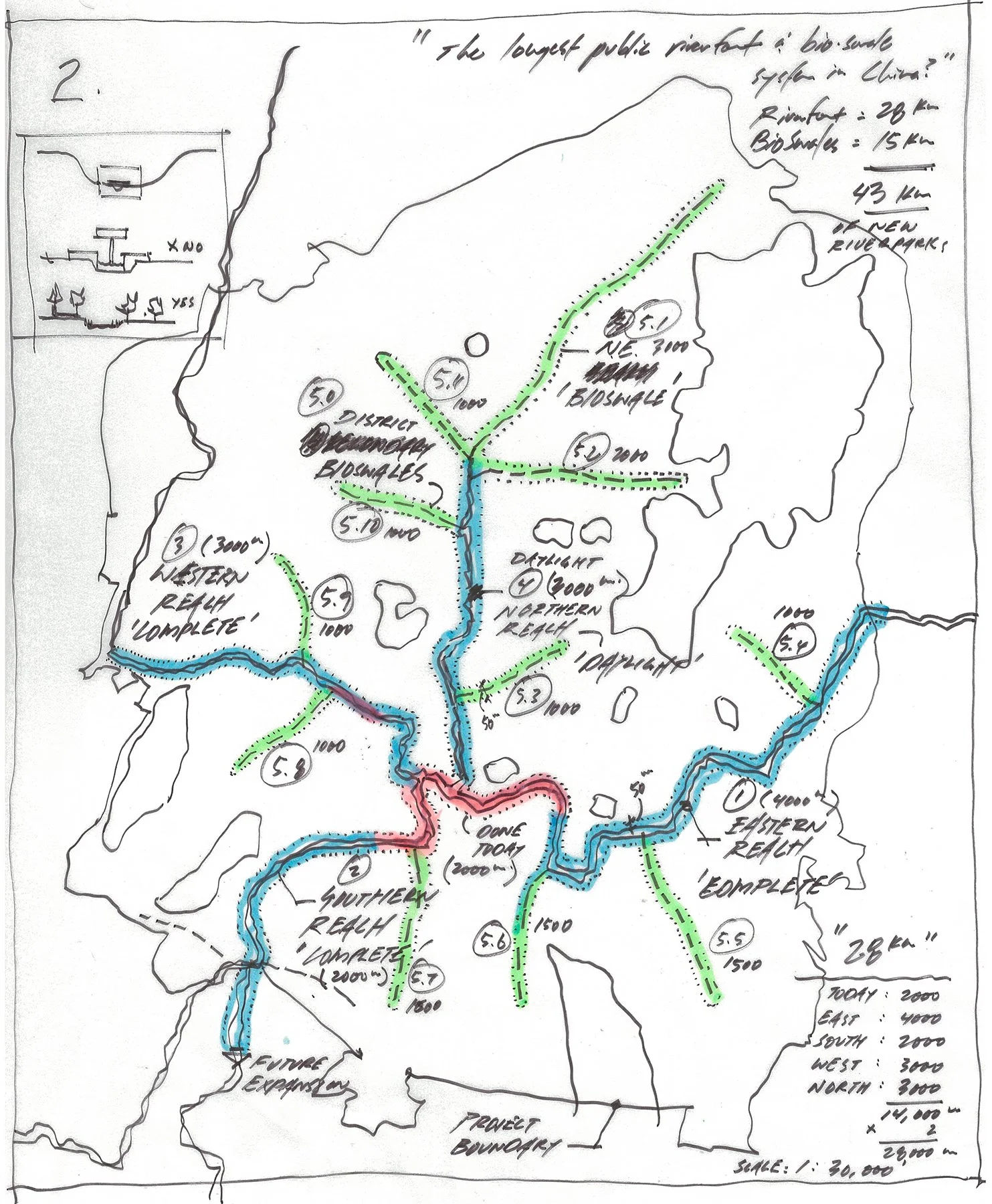
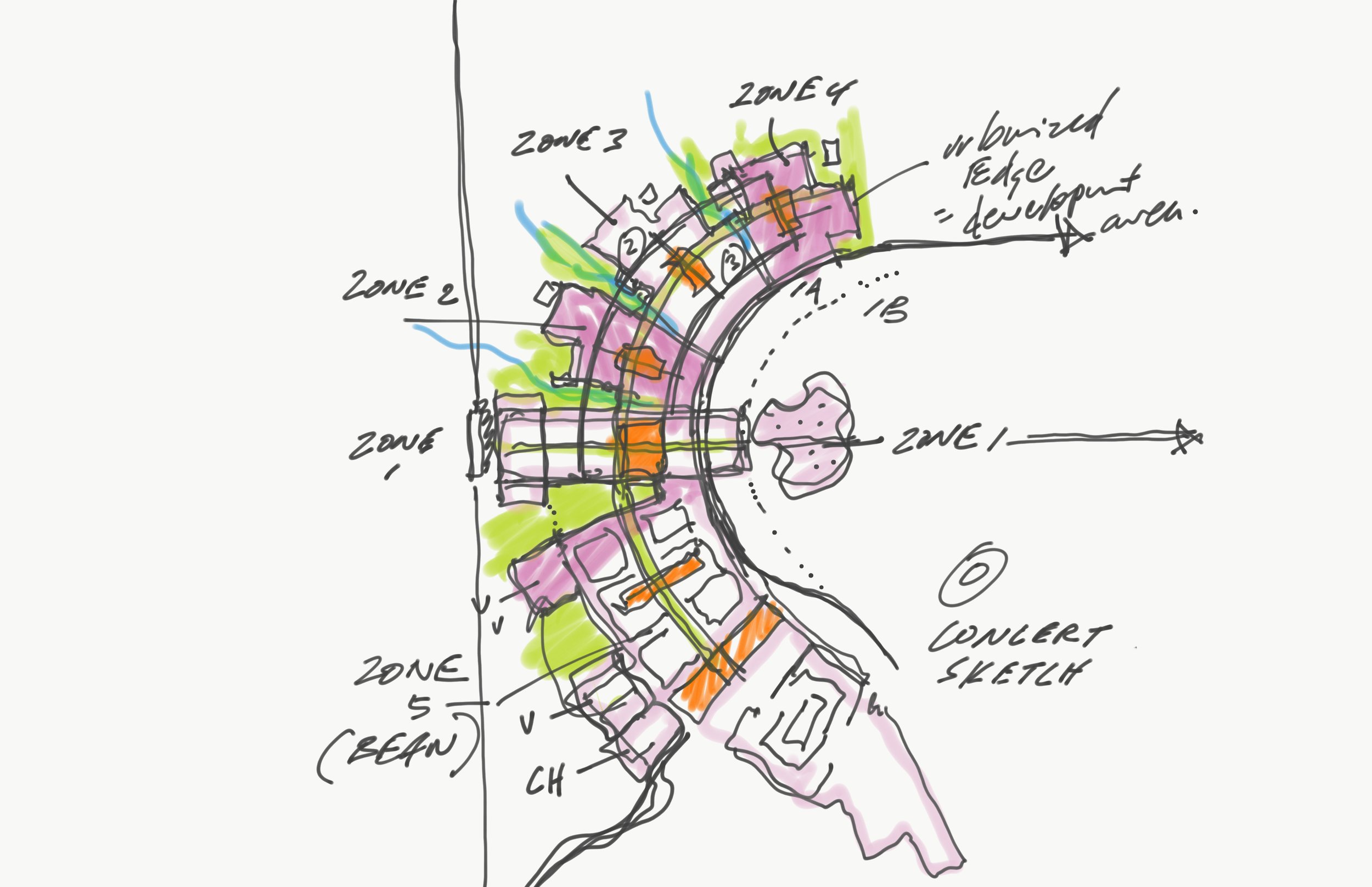
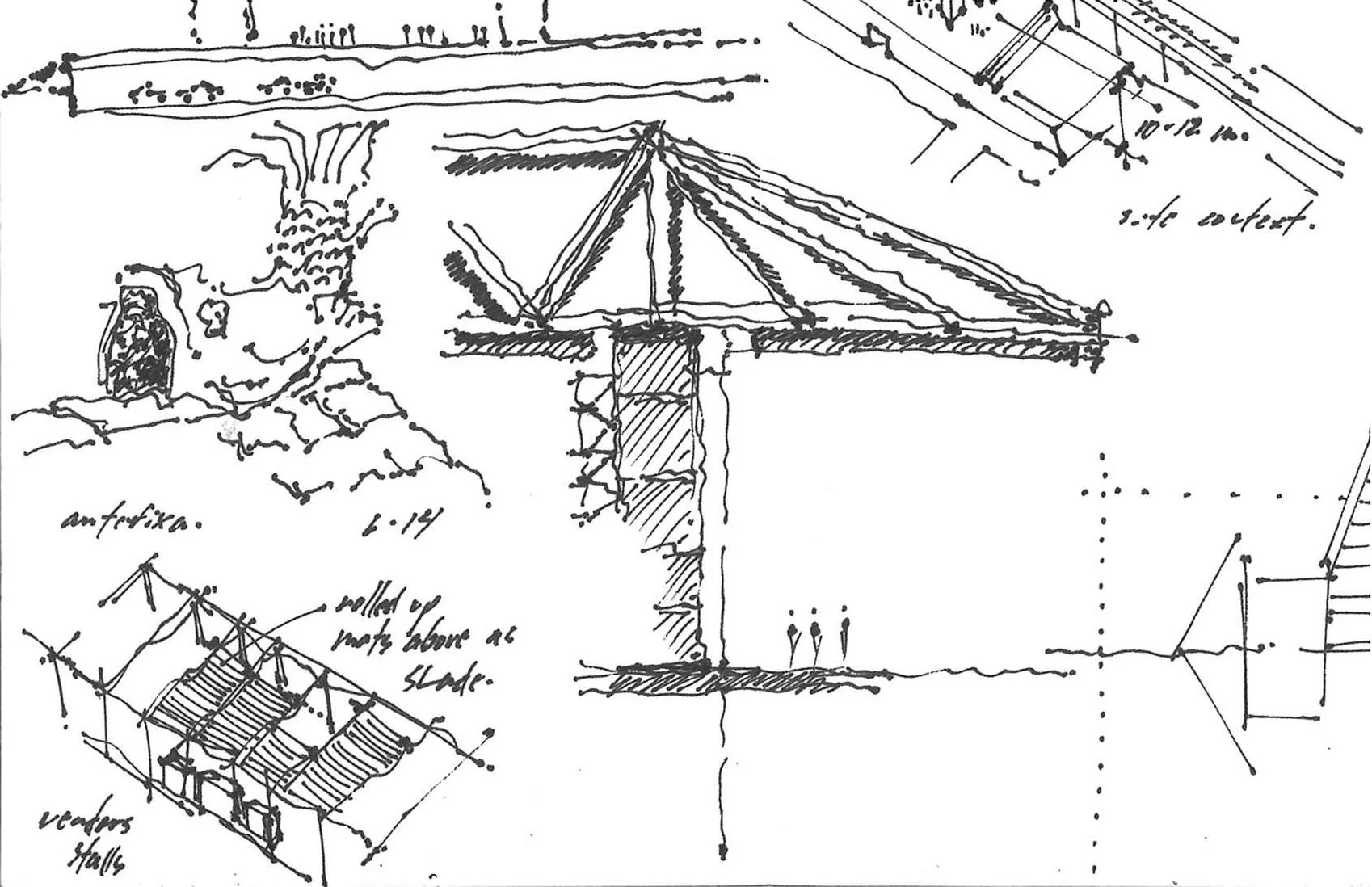
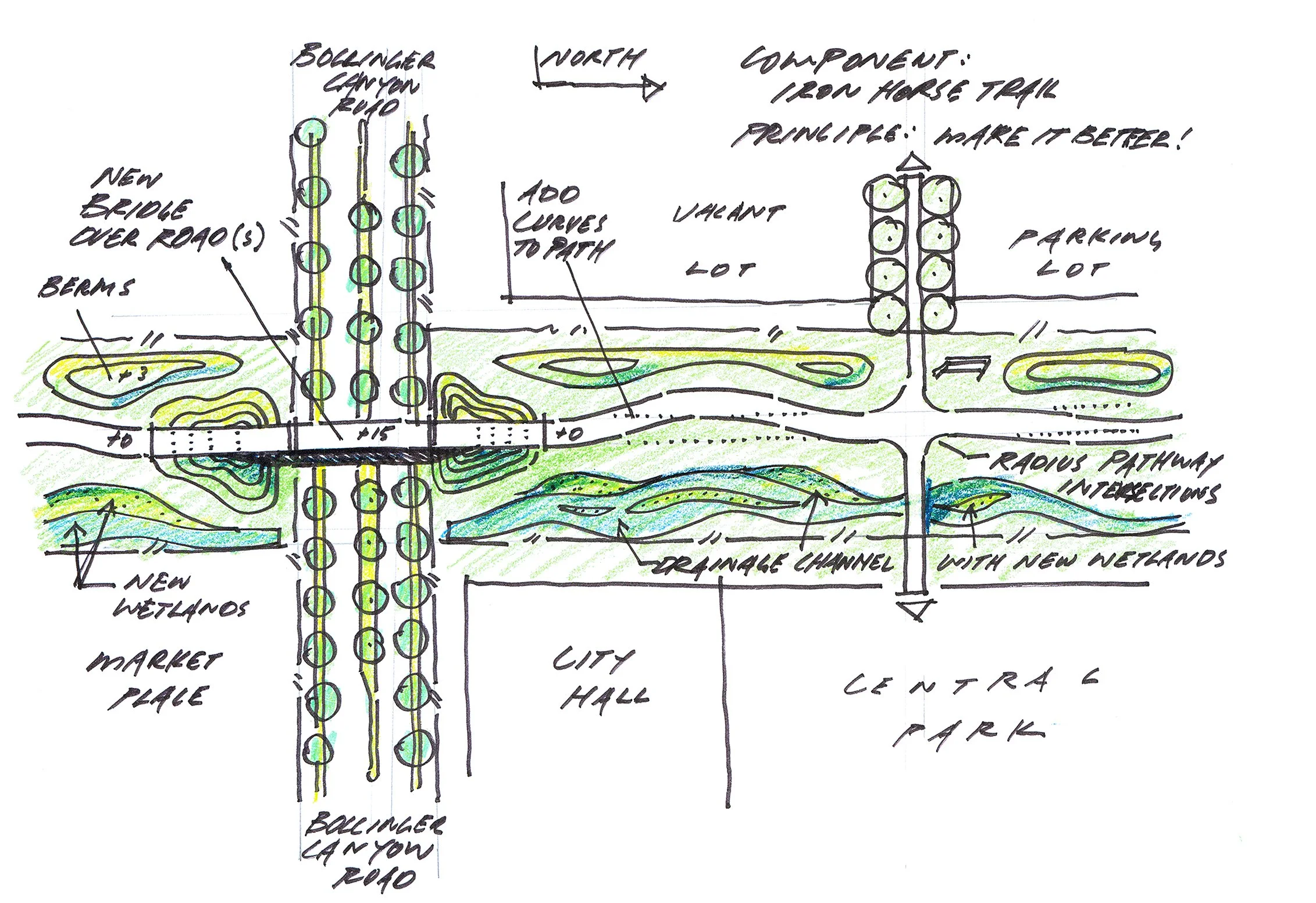
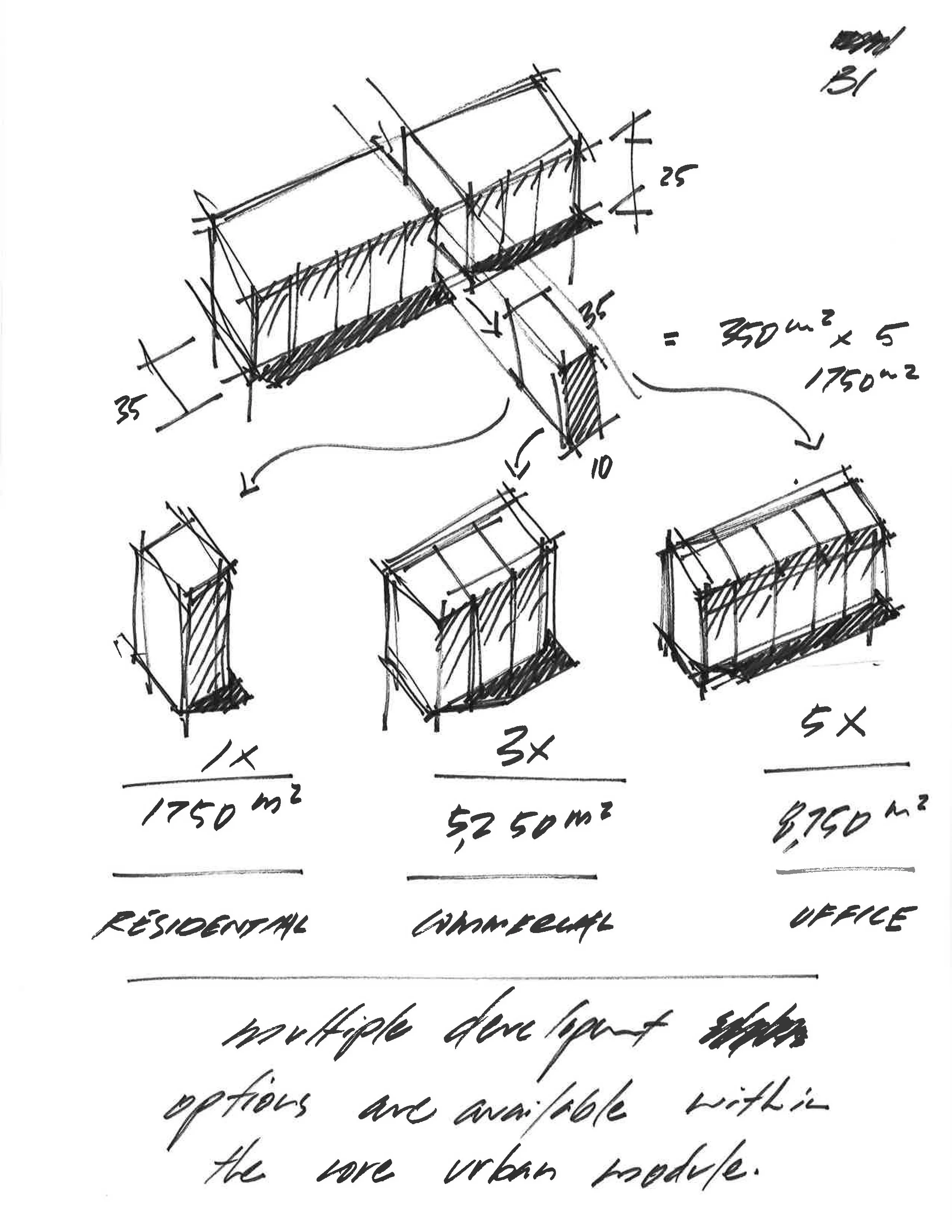
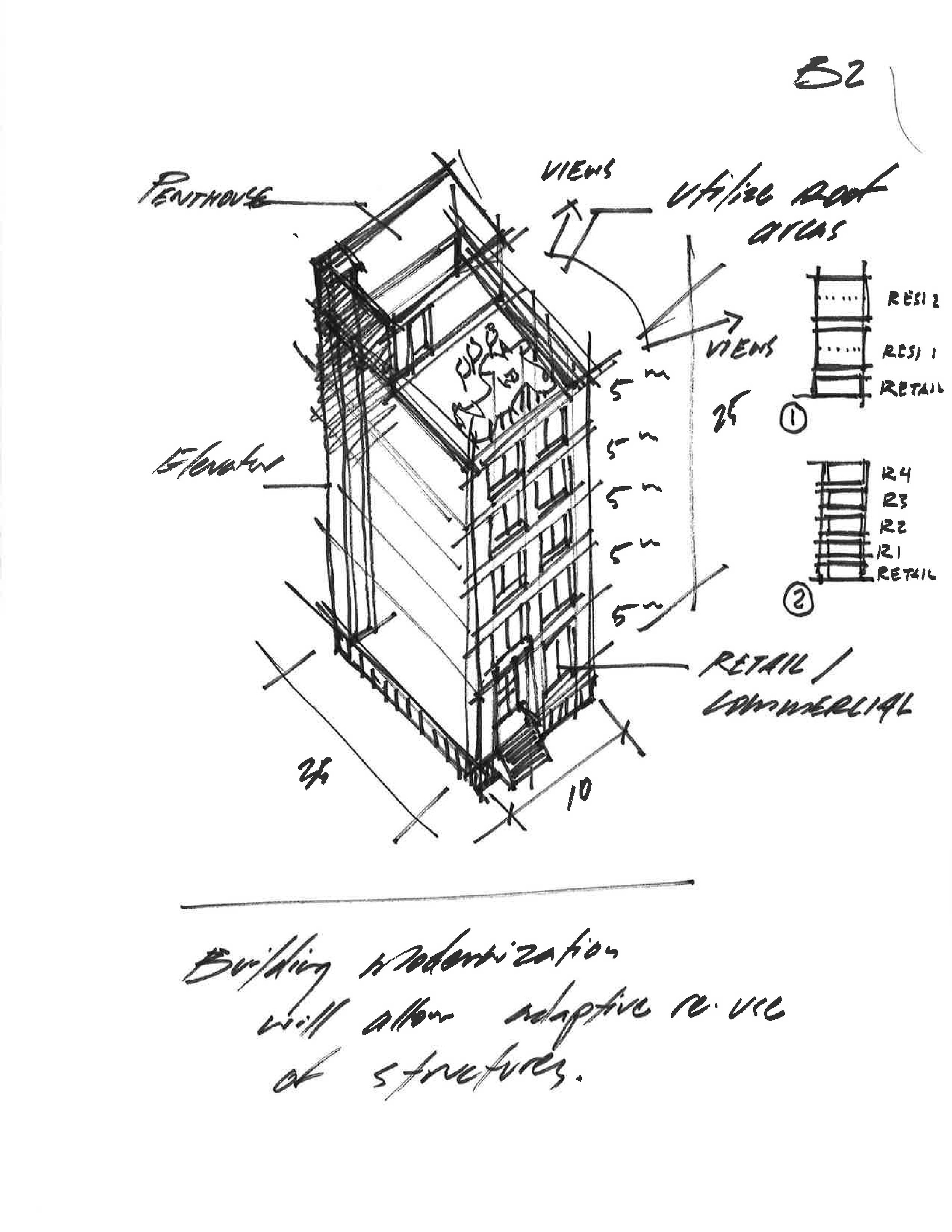
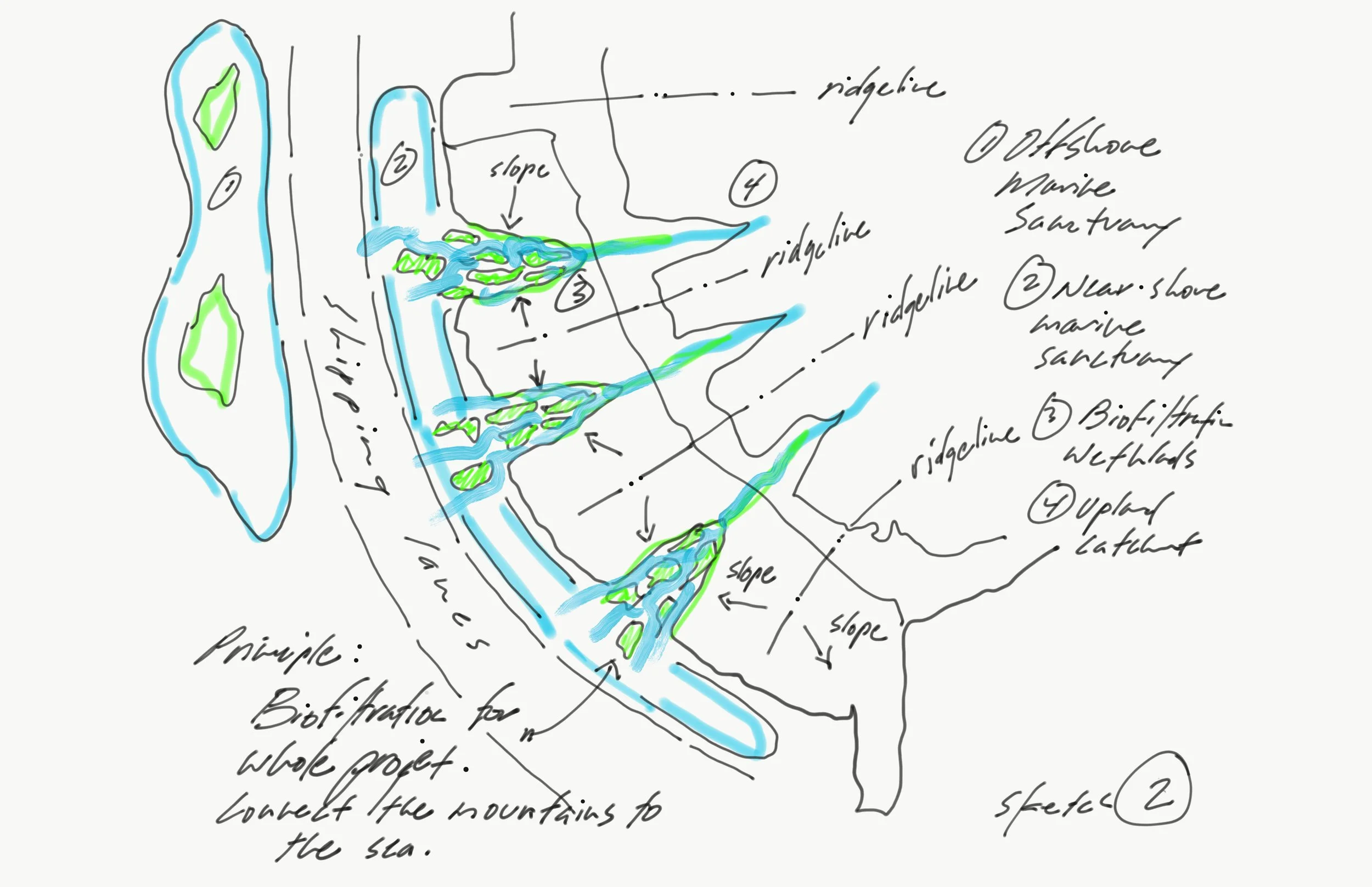
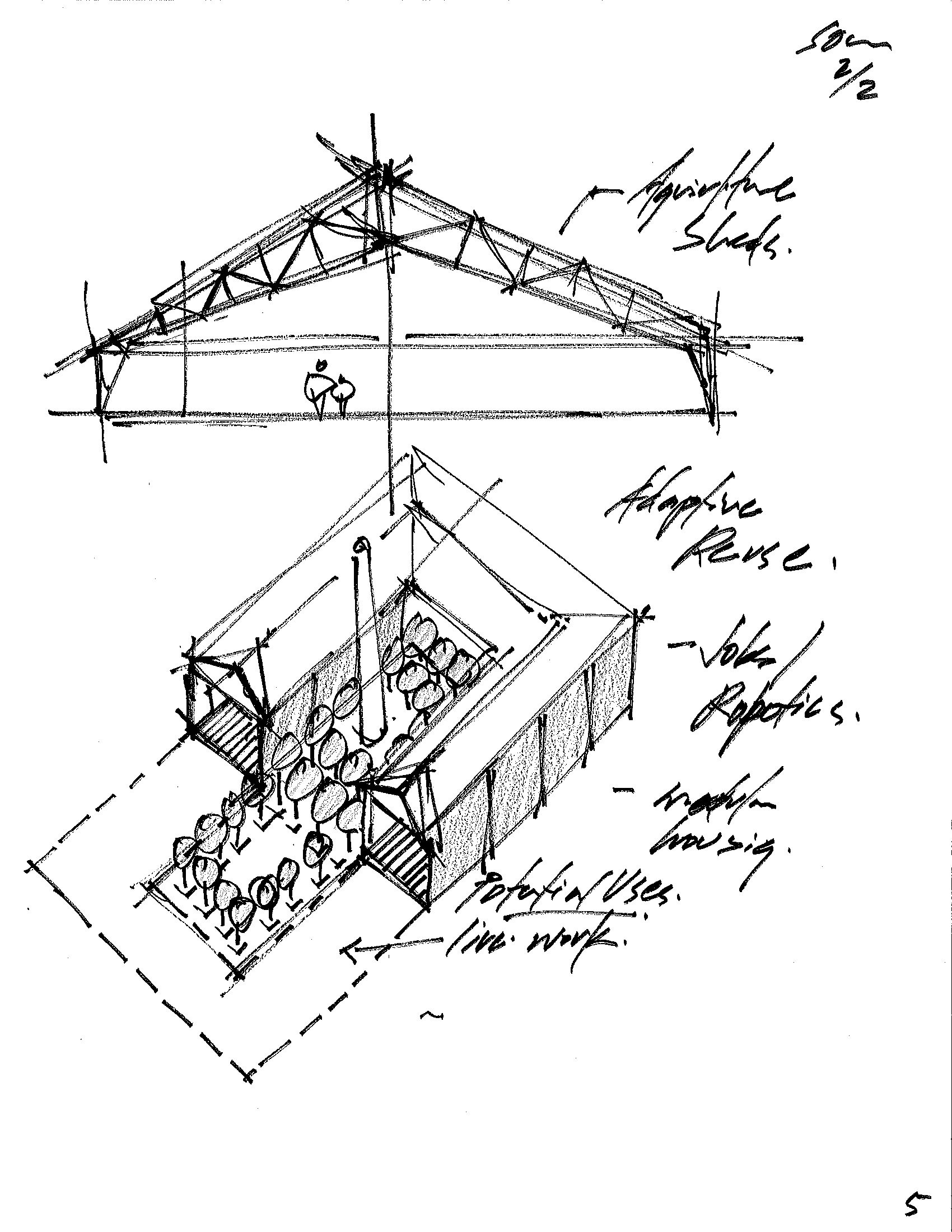
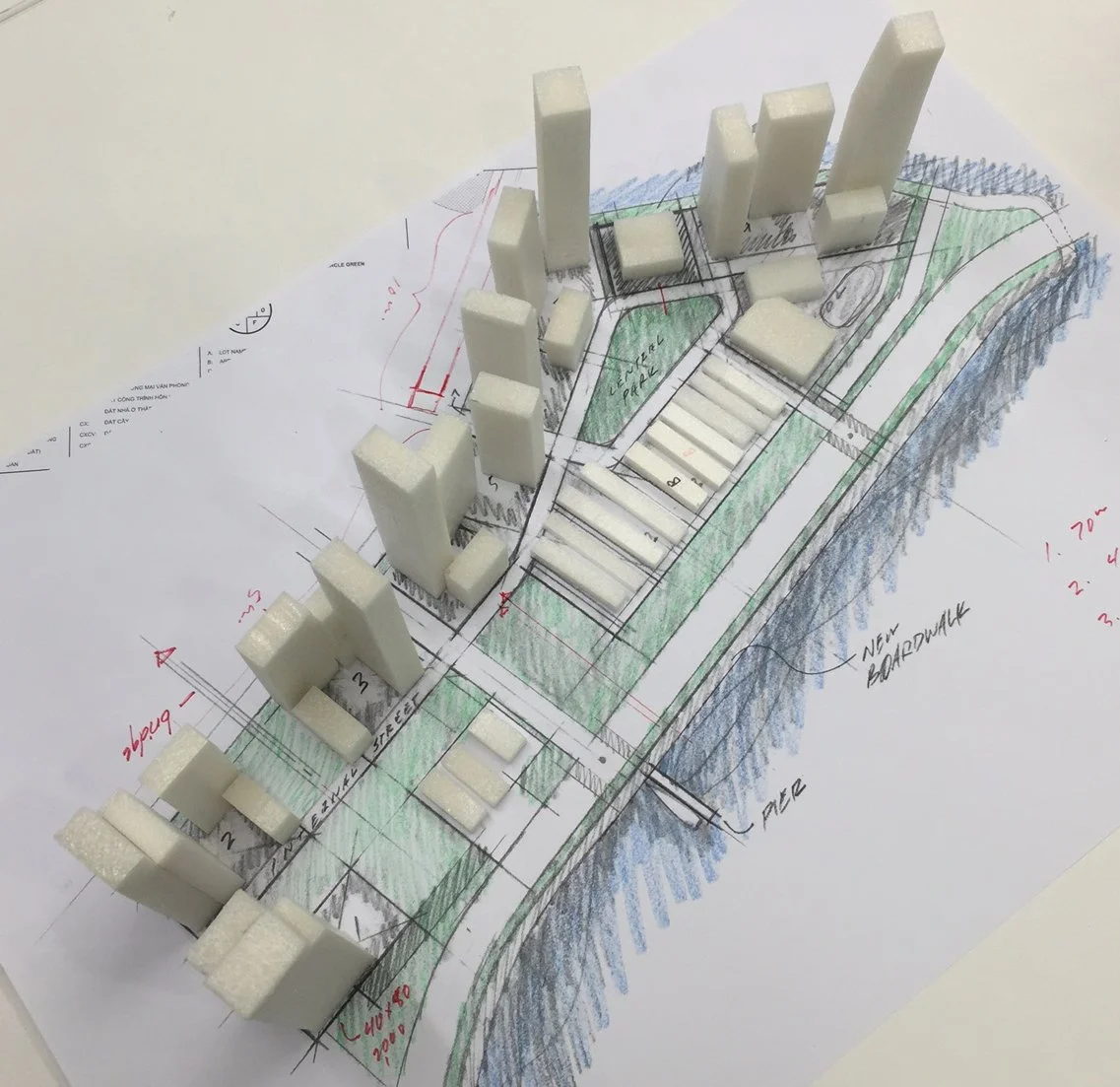
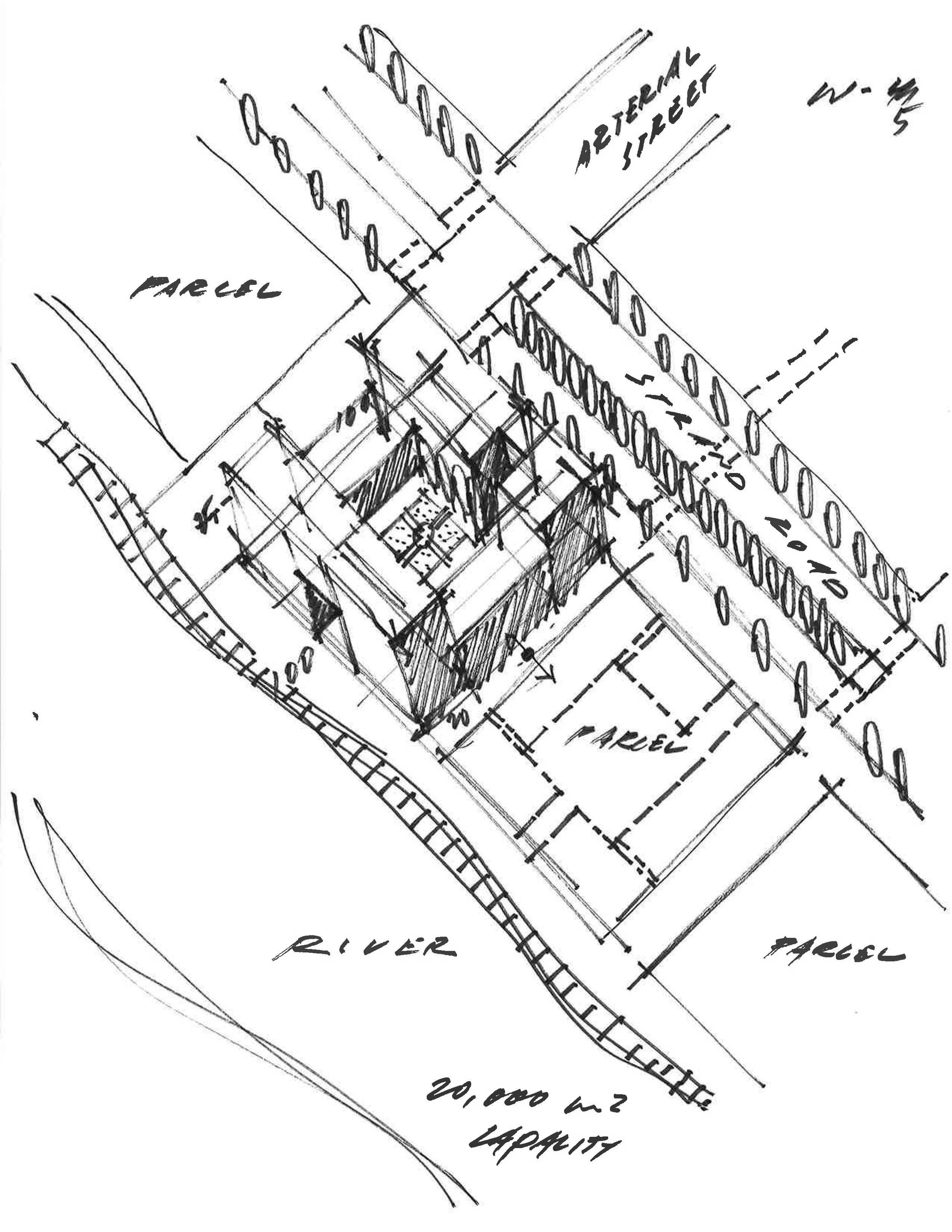
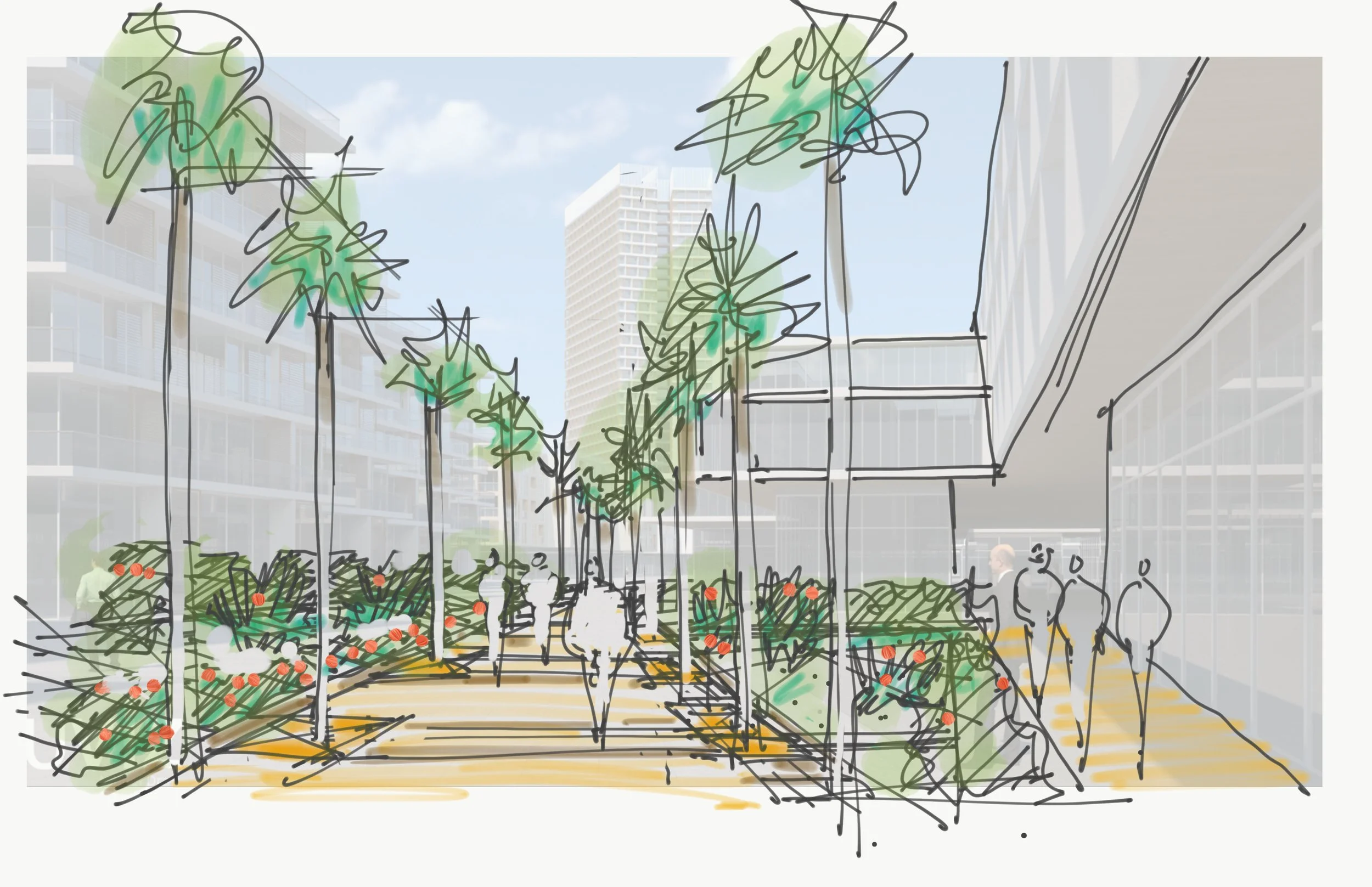
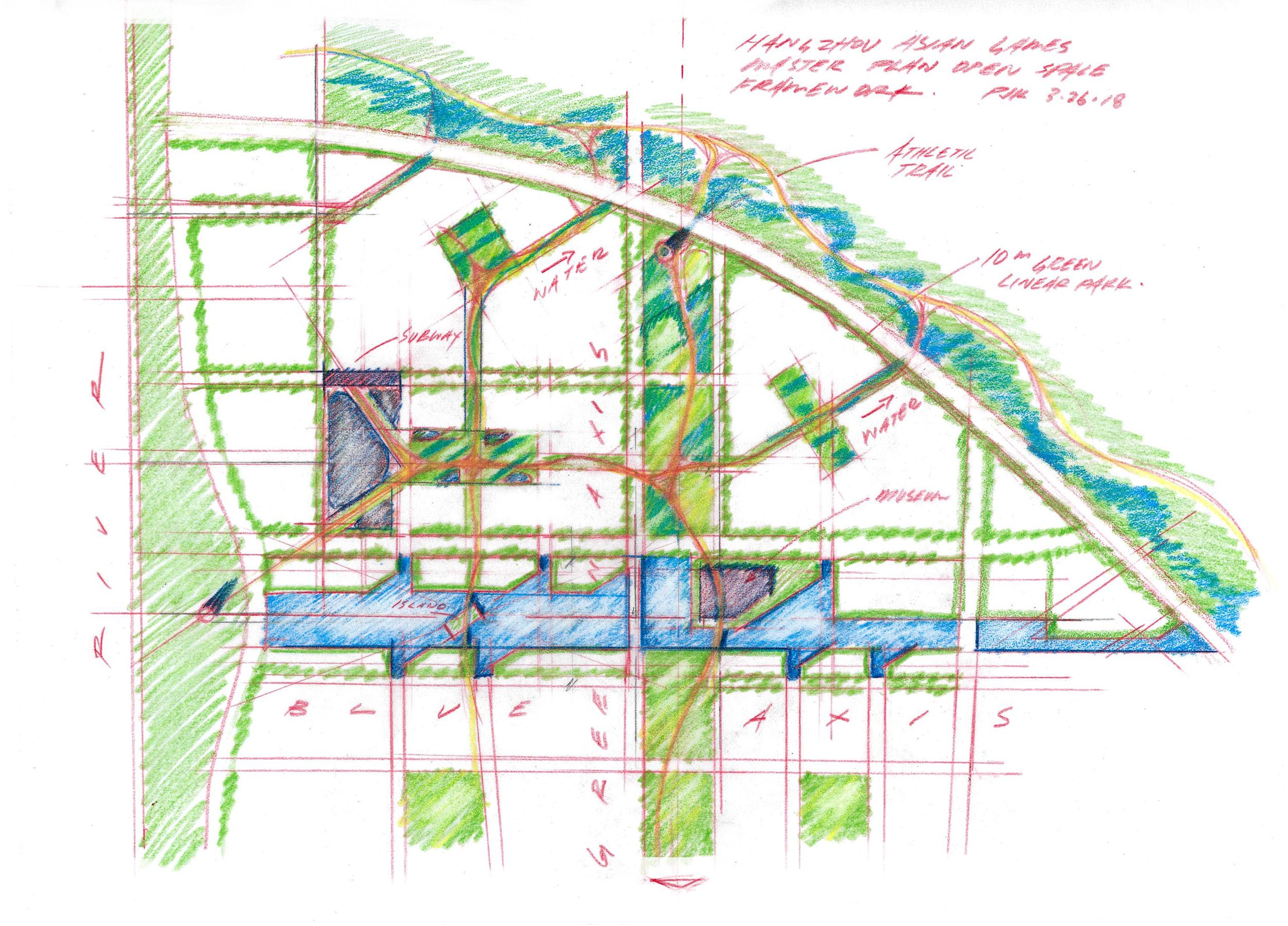
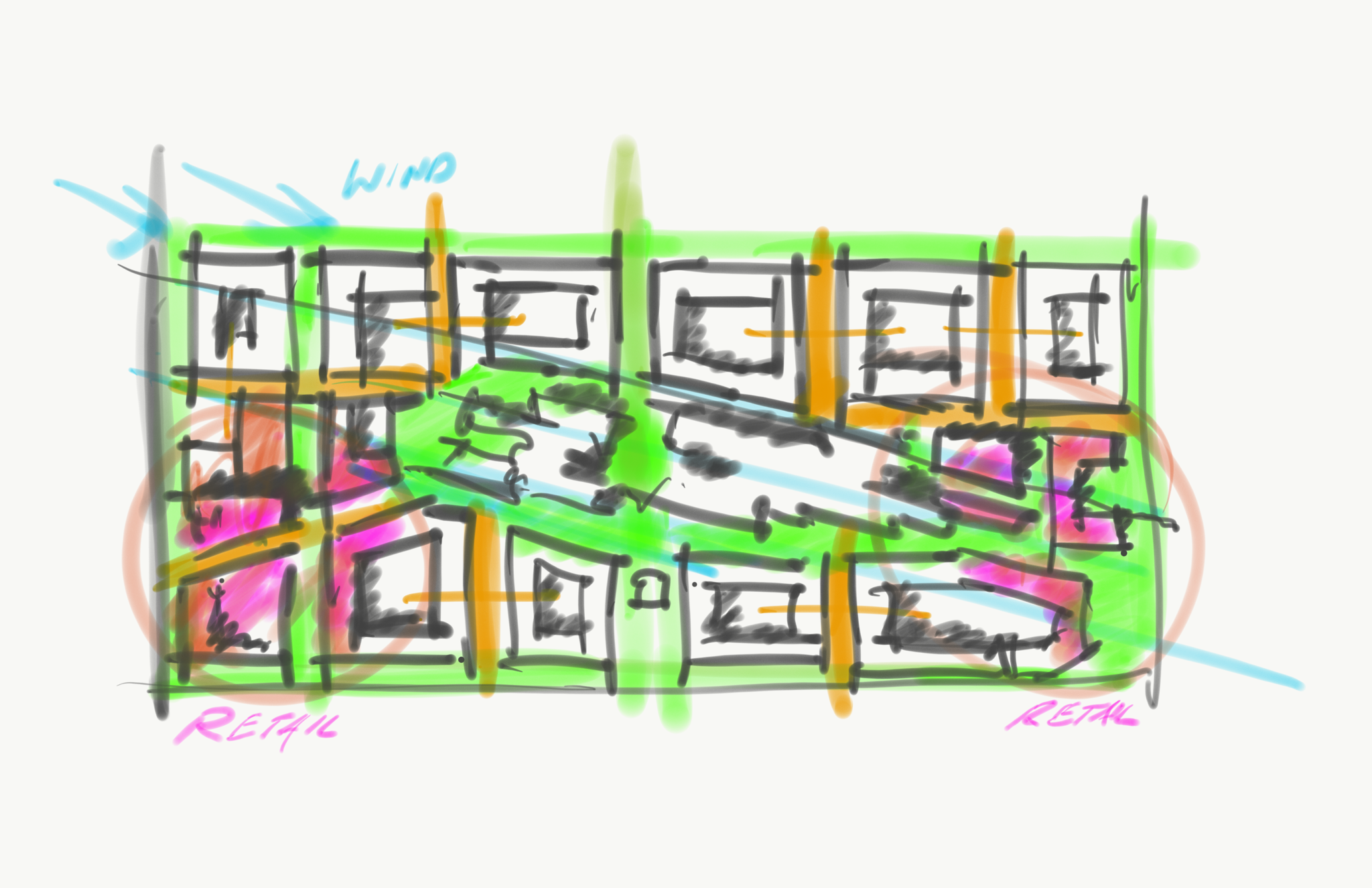
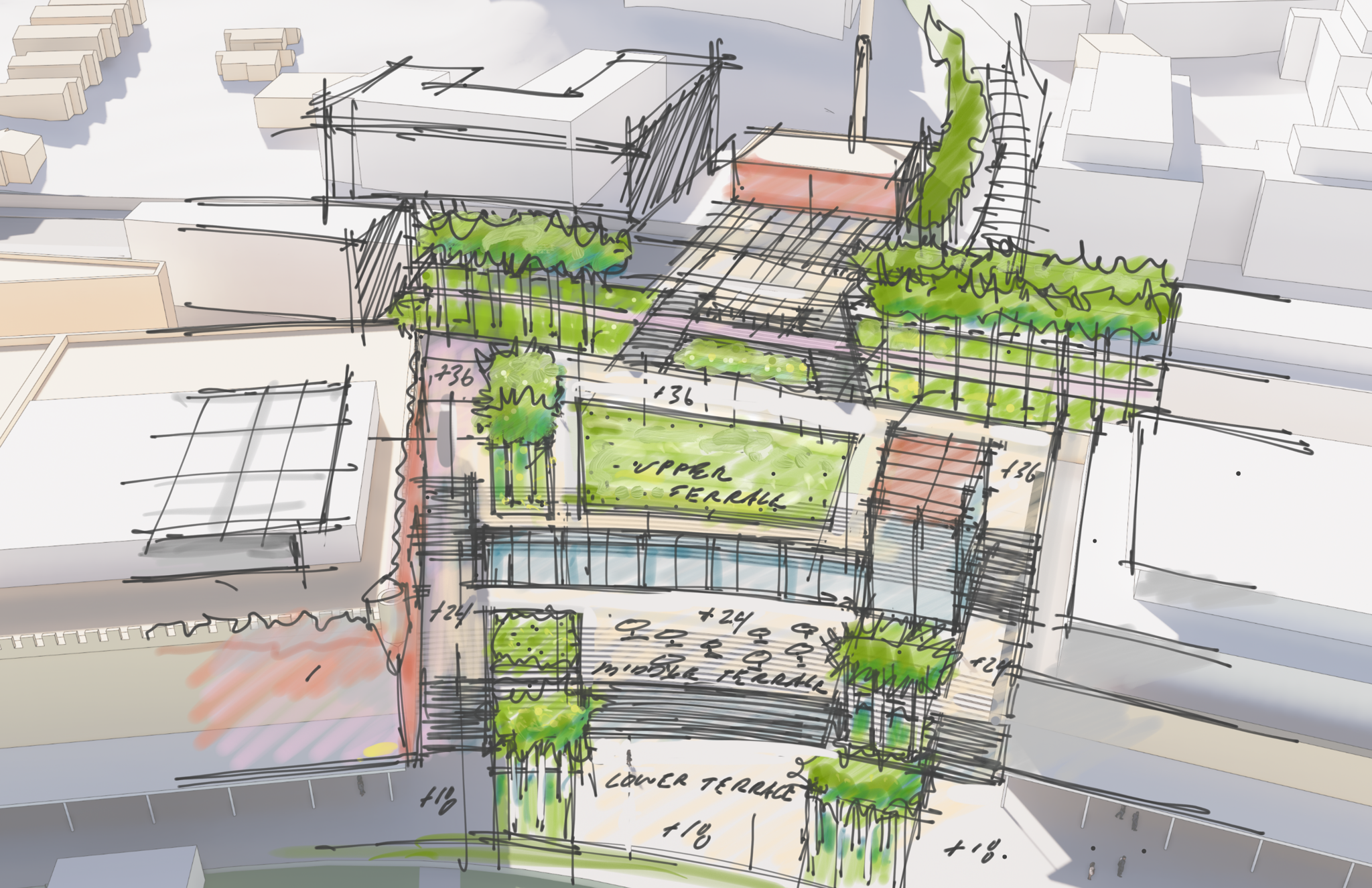
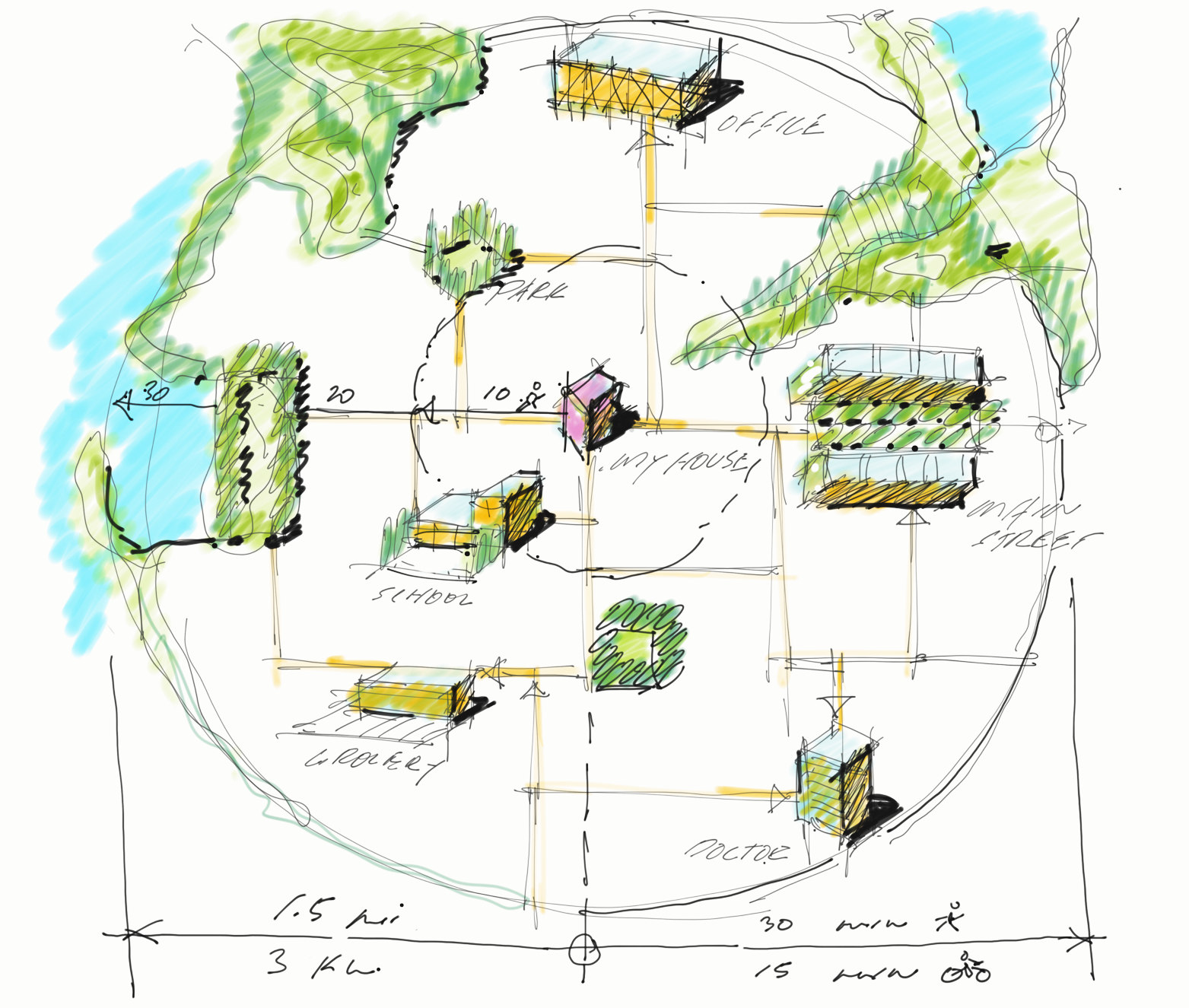
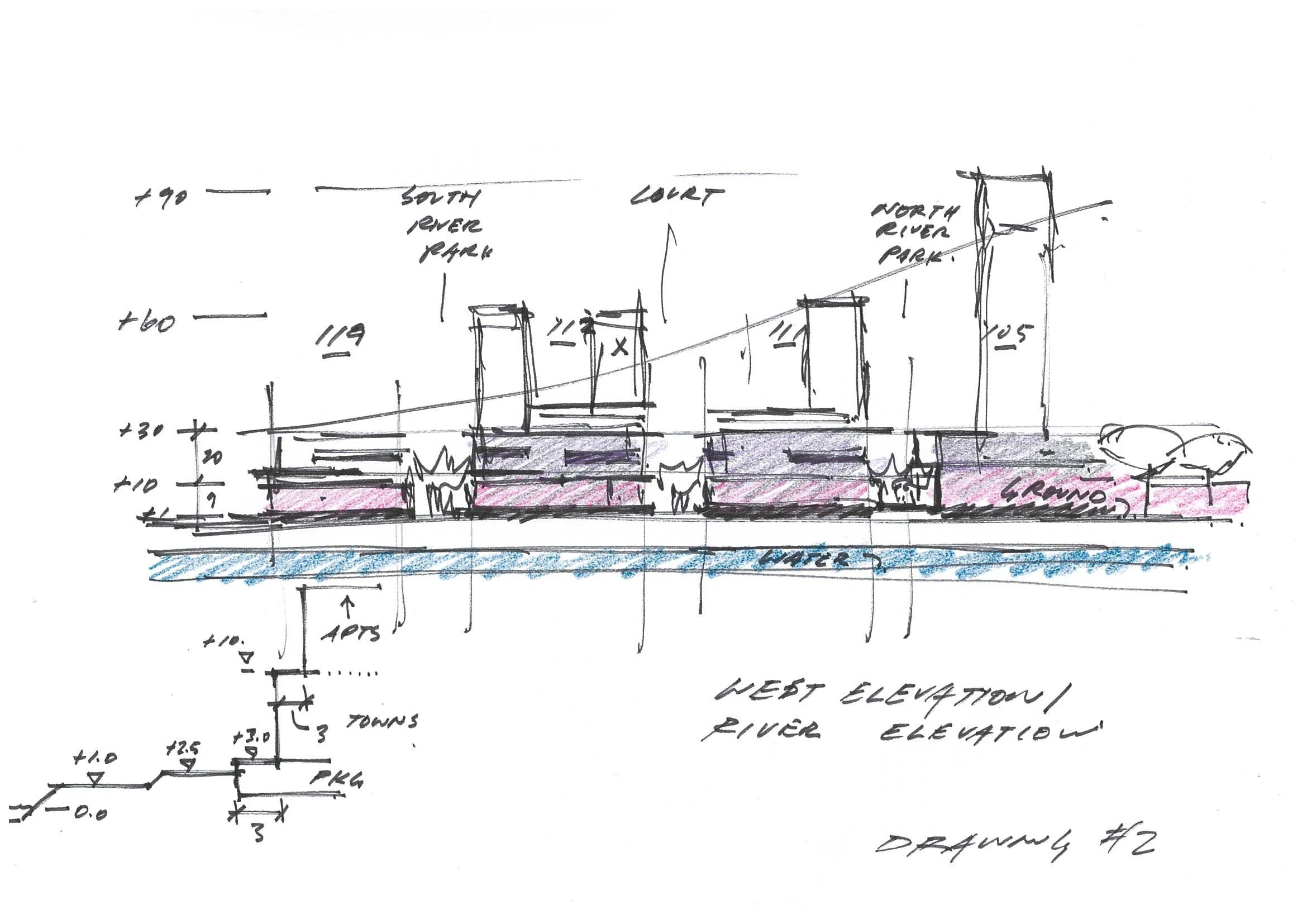
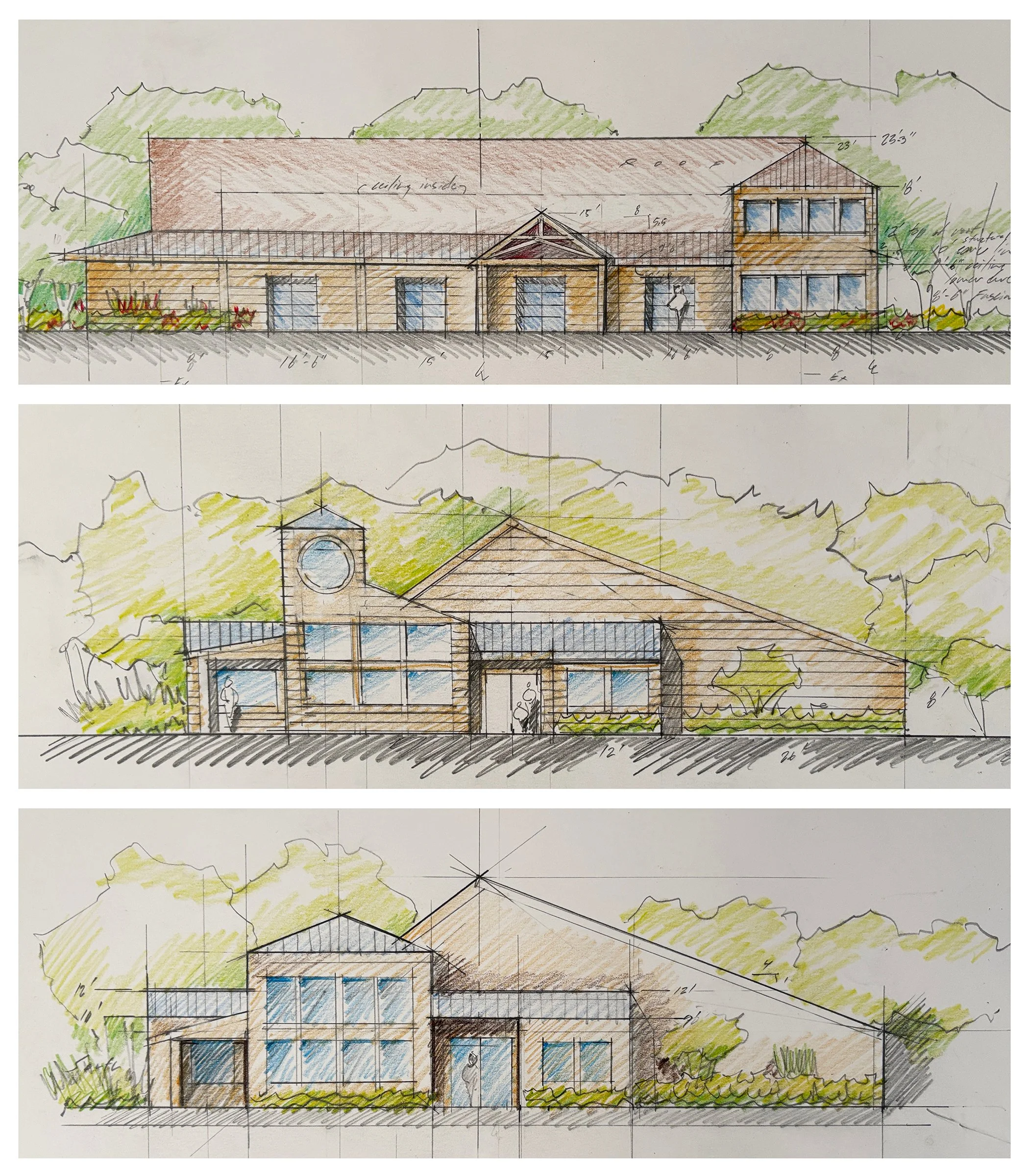
Finally, I believe in the advancement of ideas through hand sketches. The images below illustrate how concepts at multiple scales can be advanced through the tactile process of hand drawing.